
Last Updated on April 18, 2026 by Sara Belle
There was a period last year when I was booking salon appointments every two weeks like clockwork — until I added up what I was actually spending. It was embarrassing. That’s when I sat down on a Sunday afternoon and gave myself my first proper diy manicure, half-convinced I’d end up with polish on my knuckles and regret in my heart. Spoiler: it actually went well. Not perfect, but genuinely well.
If you’ve been putting it off because it seems fiddly or time-consuming, I get it. But the honest truth is that once you know the right order of steps and have a few decent tools on hand, the whole process takes under an hour and the results hold up better than you’d expect. This guide walks through exactly what I do — no fluff, just the steps that actually matter.
Whether you’re completely new to doing your own nails or just looking to get more consistent results at home, you’ll find something useful here. Let’s get into it.
1. Gather Your Tools
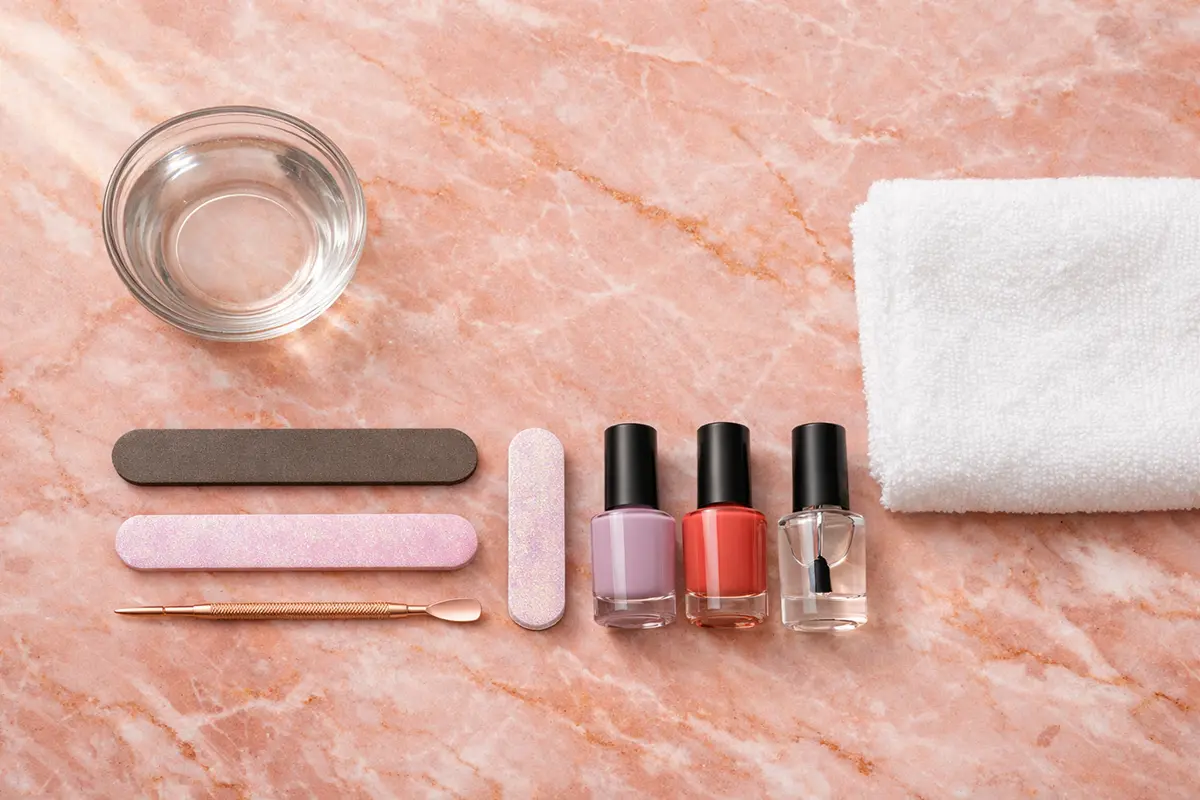
Before you begin your diy manicure, round everything up first. There’s nothing worse than getting halfway through with wet nails and realizing the top coat is in a different room. You’ll need: a nail file, a buffer, a cuticle pusher, nail clippers, cotton pads, nail polish remover (non-acetone if your nails are on the fragile side), a base coat, your chosen polish color, and a top coat.
I keep mine in a small pouch so setup takes thirty seconds. That alone changed how consistently I actually do this.
2. Prep Your Nails
Start by removing any old polish with a non-acetone remover and a cotton pad. Wipe until there’s no residue left — old color left behind under a new coat is a recipe for uneven finish.
Then clip your nails if needed and shape them with a file. The one rule that actually matters here: file in one direction only. That back-and-forth sawing motion you might have grown up doing? It creates micro-tears in the nail edge that eventually lead to splitting. One direction, smooth strokes. If you’ve been wondering why your nails chip so fast, this step might be part of the answer — and if you want to go further with nail care, these tips on making your nails grow faster are worth a read.
3. Soak and Pamper
Fill a small bowl with warm (not hot) water and add a few drops of gentle soap or a bit of essential oil if you want the spa feeling. Soak your hands for about 5–10 minutes. This softens the cuticles so they’re easier to work with and honestly just feels nice after a long day.
Don’t skip this step thinking it doesn’t matter. Dry, unprepared cuticles are harder to push back and more likely to tear — which hurts and looks rough.
4. Tame the Cuticles
This one took me a while to get comfortable with. Use a cuticle pusher to gently push back the softened cuticles — gentle being the key word. The goal is to expose the nail bed slightly for a cleaner polish application, not to push until it hurts. If there are hangnails or loose bits, a cuticle nipper can trim them carefully, but when in doubt, leave it alone. Overly aggressive cuticle work is a common reason DIY manicures look rough instead of clean.
5. Buff and Shine
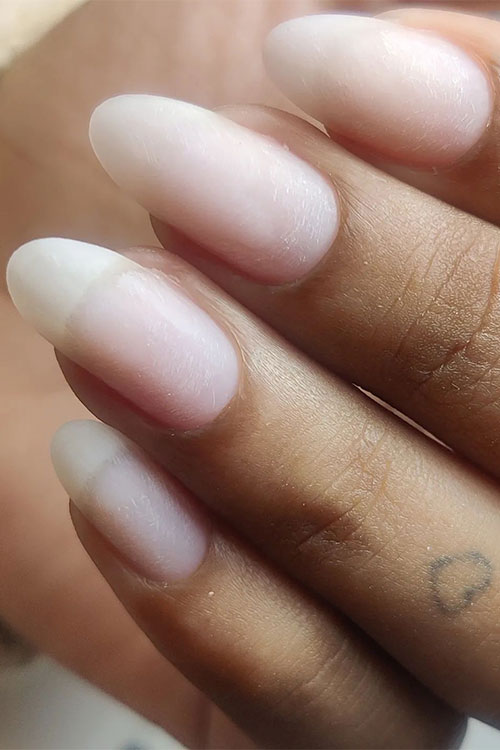
Run a buffer lightly across each nail to smooth out ridges and give the surface some grip for the polish to hold onto. Light pressure, a few passes — that’s all it needs. Over-buffing is a real thing and it thins out your nails over time, making them weaker. If your nails are already thin, you can skip this step or use the gentlest side of your buffer.
6. Apply the Base Coat
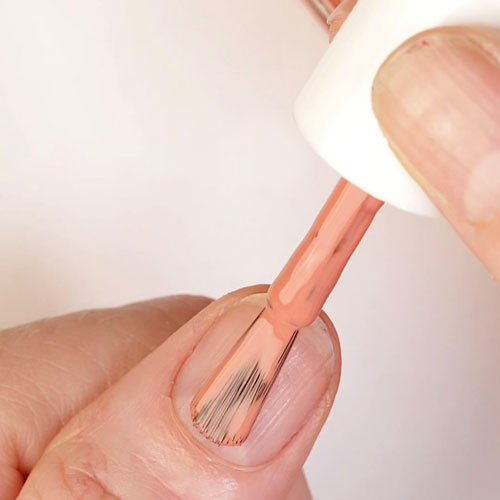
Base coat is the step most people skip when they’re in a hurry, and it shows. It creates a smooth, even surface for color to sit on, it helps the polish bond better so it doesn’t peel, and it protects your nails from staining — especially with darker shades.
One thin coat is all you need. Let it dry fully before moving on. “Fully” means a couple of minutes, not ten seconds of blowing on your hands.
7. Get Creative with Color
My personal favorite part — and honestly where I spend way too long deciding. Pick your color, then apply two thin coats rather than one thick one. Thick coats bubble, streak, and take forever to dry. Thin coats dry faster, look smoother, and layer better.
The technique that helped me most: start with a thin stripe down the center of the nail, then fill in each side. That’s it. Three strokes per nail, don’t overwork it, let each coat dry before the next. And if you want to get inspired on where to take your color choices next, the nail art and trends section here has a lot of ideas worth exploring.
8. Seal the Deal
Top coat is non-negotiable. It adds the shine, yes, but more importantly it seals the edges and protects against chips. Apply one thin coat, making sure to wrap it slightly around the free edge of each nail.
That edge-sealing detail sounds fussy but it genuinely extends wear time. It’s the thing I started doing once my manicures kept chipping at the tips specifically — wrapping the top coat fixes that almost completely.
9. Finishing Touches
Dip a small brush or a cotton swab in nail polish remover and clean up any color that got on your skin. This single step is what separates a “I clearly did this myself” result from a clean, finished look. Take your time here — it’s worth it.
Then wait. Actually wait. Don’t trust the “dry” feeling on the surface — the layers underneath are still soft for at least 30–40 minutes. Scrolling your phone, doing dishes, or putting on socks are all nail-ruining activities I have done immediately post-manicure and deeply regretted.
10. Maintain and Hydrate
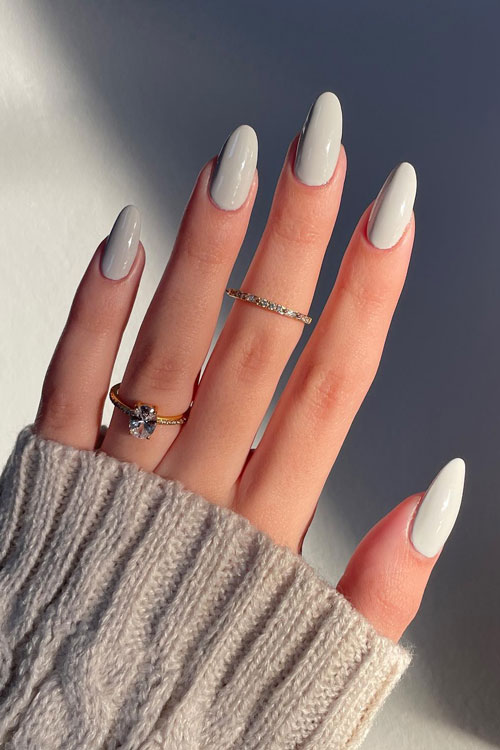
Cuticle oil every day — it takes ten seconds and it makes a noticeable difference in how healthy your nails look between manicures. Hand cream too, especially if you wash your hands frequently.
Wear gloves for dishes and cleaning. I know it sounds like advice from 1955 but harsh detergents genuinely break down polish and dry out your nails fast. And try not to use your nails as tools — opening cans, pulling apart packaging, that kind of thing. They’re nails, not a Swiss army knife.
If keeping your nails healthy between manicures is something you want to work on more seriously, choosing a nail shape that suits your hands is a good starting point — some shapes are naturally more chip-resistant than others.
Quick Tips for Better Results
- Cold water speeds up drying. Dip your nails in a bowl of cold water for 2–3 minutes after applying top coat — it sets the polish faster.
- Thin coats over thick coats, always. Two thin coats outlast one thick coat every single time.
- Don’t shake the polish bottle. Roll it between your palms instead to mix it — shaking creates bubbles.
- Reapply top coat every few days. A quick thin coat every 2–3 days significantly extends how long the manicure lasts.
- Let each layer dry completely. Patience here directly determines how long your nails last. Rushing is the main reason polish peels.
- Keep nails out of water for the first hour. Even after nails feel dry to the touch, the layers are still curing underneath.
FAQ
How long does a DIY manicure take?
From start to finish, expect around 45–60 minutes for a proper diy manicure — that includes soaking, cuticle work, polish, and drying time. Rushing the dry time is the number one reason manicures get ruined.
How do I make my DIY manicure last longer?
Always use a base coat and a top coat — skipping either one cuts your wear time significantly. Apply cuticle oil daily and wear gloves for dishes and cleaning. Reapplying a thin layer of top coat every 2–3 days extends the life noticeably.
Can I do a diy manicure without professional tools?
Yes. A nail file, a buffer, a cuticle pusher, and a good top coat are all you really need to get started. You don’t need every tool in the beauty aisle — keep it simple until you find what works for you.
How often should I redo my nails at home?
Every 1–2 weeks is a good rhythm for most people. If your nails grow fast or you’re hard on your hands, lean toward weekly. Letting old polish sit too long makes removal harder and can leave nails looking dull.
Is it better to cut or file nails before a manicure?
If you need significant length removed, clip first, then refine the shape with a file. Always file in one direction — sawing back and forth weakens the nail edge and leads to splitting over time.
Your Nails, Your Rules
If I had to pick one step to never skip again, it’s the base coat. That one change alone improved how long my manicures lasted more than anything else I tried. But really, the whole process becomes genuinely easy once you’ve done it a handful of times — it stops feeling like a project and starts feeling like a Sunday ritual you actually look forward to.
If you’re also into making the rest of the look work with your nails, pedicure ideas on here pair surprisingly well with a fresh manicure. What’s your go-to nail color lately — are you staying classic or leaning into something bold?

Shop my favorite picks on Amazon
VISIT MY STOREFRONT 🛒