
Last Updated on April 15, 2026 by Sara Belle
My nails have a personal vendetta against me. I finally get them to a decent length, snag one on a zipper, and suddenly I’m back to square one — on all ten fingers somehow. If you’ve been stuck in that same cycle, this one’s for you.
I spent a while figuring out what actually makes a difference when you want your nails grow longer and stronger — not the vague “eat healthy and be patient” advice, but the specific habits that changed things for me. Below is everything I actually use, explained honestly. No fillers, no fluff.
Quick reality check first: fingernails grow roughly 3.5mm per month, according to dermatologists. So getting a full set of length takes around six months of consistent care. Toenails are even slower — about 1.5mm per month. The goal isn’t to rush biology; it’s to stop breaking what you’ve already grown.
1. Cuticle Oil for Nail Growth
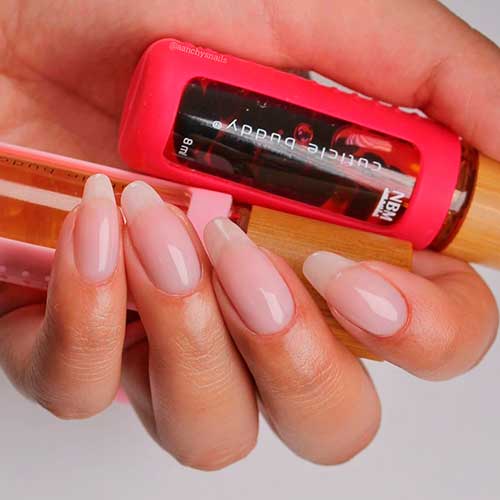
This is my favorite thing I’ve added to my routine, and I mean that genuinely. I kept ignoring cuticle oil because it felt like an “extra step,” and then I started using it every night before bed and the difference in my nail flexibility — within about three weeks — was real.
Here’s why it matters: your cuticle sits right above the nail matrix, which is where your nail actually begins to form. Keeping that area soft and hydrated protects the growth zone. And beyond just moisture, cuticle oil helps boost local blood circulation, which is what feeds the matrix and keeps new nail growing steadily.
The rule I follow: never cut your cuticles. Not with clippers, not with liquid remover. Push them back gently when they’re soft (after a shower is perfect), then apply oil. That’s it.
2. Biotin — the Nail-Strengthening Vitamin
Biotin (vitamin B7) doesn’t make your nails grow faster in the way you might imagine — it won’t shave two weeks off your timeline. What it does is make your nails less brittle, which means fewer snaps and breaks. And fewer breaks means the length you grow actually stays on your hands.
You can get it from food: cooked eggs, almonds, peanut butter, and bananas all have decent amounts. Supplements exist too, but I’d genuinely suggest talking to a dermatologist before adding them — the dose matters, and more isn’t always better. The Mayo Clinic’s nail health guide outlines how nutrition connects to nail integrity, and it’s worth a read if you want the full picture.
3. Switch to Acetone-Free Remover
Acetone-based removers work fast — that’s their one advantage. But they strip moisture from the nail plate and the surrounding skin, and over time that dehydration leads to brittleness and peeling. Not ideal when you’re trying to nails grow and actually keep that growth.
Acetone-free removers take a little more effort to work with, but the payoff is nails that don’t turn chalky and fragile after every polish change. Also worth mentioning: avoid soaking your nails in water for extended periods. Long soaks cause the nail plate to expand and contract, which weakens it over time.
4. Give Your Nails a Break
Gel manicures and acrylics look incredible, and I’m not here to tell you to stop. But here’s the thing nobody explains clearly: it’s not the gel itself that damages nails — it’s the constant cycling without any rest. The removal process, when done repeatedly with no break in between, slowly thins the nail plate.
Even one week off between sets, with a nail strengthener applied daily, makes a real difference. If you use your hands a lot — sports, gardening, anything hands-on — that rest period is even more important. During the break, nontoxic polishes are a nice option if you still want color without adding stress to the nail.
If you’re unsure what to do with your nails during a growth break, a simple DIY manicure at home is a surprisingly good way to keep things neat and healthy without committing to anything heavy.
5. Soften, Then File — In That Order
Filing dry nails is one of those habits that feels harmless but quietly causes damage. Dry nails file unevenly and can develop tiny micro-fractures along the edge, which turn into peeling layers or full breaks later.
The fix is simple: apply a nail softener (or even just soak your fingertips briefly in warm water) before you file. Then use a glass nail file — not an emery board if you can help it. Glass files cut more cleanly and leave a sealed edge that’s less likely to catch. File in one direction only, never back-and-forth sawing.
Every few days is plenty. You’re not reshaping; you’re just removing snags before they become breaks.
Extra Tips to Support Faster Nail Growth
Beyond the main steps, a few smaller habits genuinely add up:
- Wear gloves when cleaning. Dish soap and household cleaners are surprisingly harsh on nails. Rubber gloves cost almost nothing and save a lot of damage.
- Stay hydrated. Nails, like skin, reflect how well-hydrated you are. Dry, flaky nails often improve just by drinking more water consistently.
- Apply hand cream after every wash. Not just for your skin — work it into your cuticles and nail beds too. It takes two seconds and makes a visible difference over weeks.
- Don’t use your nails as tools. Opening cans, peeling stickers, prying things open — all of these put stress on the exact spot where your nail is most likely to snap.
- Check your diet broadly. Iron deficiency and low protein intake both show up in nail quality before you notice anything else. If your nails are thin and spoon-shaped, that’s worth looking into.
A solid overall nail care routine ties all of these habits together — if you’re unsure where to start, that article breaks it down step by step. And once your nails have grown out to a length you’re happy with, keeping your manicure intact for longer becomes the next priority.
FAQ
How long does it actually take for nails to grow?
Fingernails grow about 3.5mm per month on average. Getting noticeably long nails from scratch usually takes around 4–6 months with consistent care. Toenails are much slower — roughly 1.5mm per month.
Does biotin really help nails grow faster?
Biotin has been shown to improve nail thickness and reduce brittleness, which means fewer breaks and more visible length over time. It won’t dramatically speed up the growth rate, but it helps your nails stay intact long enough to actually get long — and that’s half the battle.
Is it bad to cut your cuticles?
Yes. Cutting cuticles removes a protective barrier that shields the nail matrix (where growth begins). This can lead to infection and, ironically, slower or uneven nail growth. Push them back gently instead, and keep them moisturized with oil.
How often should I file my nails if I’m trying to grow them?
Light maintenance filing every 5–7 days is enough. The goal is to smooth any snags or rough edges before they catch on fabric and cause a tear. A glass nail file is the least damaging option — it seals the nail edge as it files.
Can I still wear gel or acrylic nails while trying to make my nails grow?
Yes, but build in rest periods. Constant application and removal without a break can cause thinning and peeling over time. Even a week off with a nail strengthener applied gives your nails a chance to recover.
The Bottom Line
If I had to pick just one thing to start with, it’s cuticle oil. Night after night, it’s the habit that made the biggest difference for me — and it requires almost zero effort. Everything else on this list helps, but protecting the growth zone is where it begins. Your nails can’t grow if the starting point is dry and damaged.
Once your nails start gaining length, the next thing you’ll want to think about is how to keep them looking good — and knowing which nail shape suits your hand type makes a real difference in how polished everything looks, even without heavy nail art. Which of these tips are you going to try first? Let me know in the comments — I’m curious what’s worked (or hasn’t worked) for you.

Shop my favorite picks on Amazon
VISIT MY STOREFRONT 🛒